Maximizing Studio Apartments
A room is not defined by the walls that enclose it, but by the negative space it allows you to occupy.
In the modern studio apartment, every square meter carries immense financial and psychological weight. The traditional approach to furnishing these compact zones relies on scaling down: smaller beds, microscopic dining tables, and loveseats masquerading as couches. This diminutive approach is a failure of imagination.
The Illusion of Micro-Furniture
Purchasing "apartment-sized" traditional furniture merely creates a miniature, cramped version of a suburban home. It clutters the visual field. Instead of compromising on the scale of your experiences, kinetic architecture allows you to transform the function of the room on demand. A full-sized king bed that folds seamlessly into a minimalist wall facade affords unparalleled luxury at night, while liberating the entire floorplan by day.
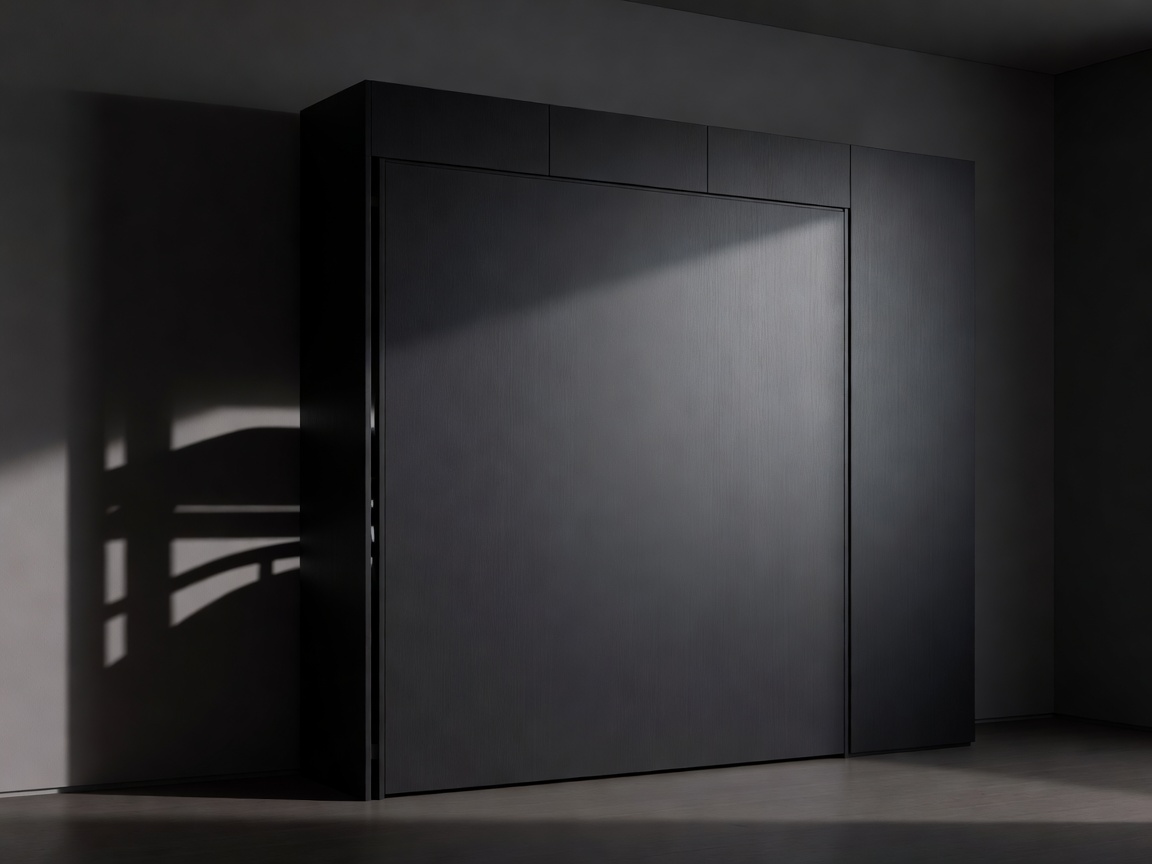
Chronological Zoning
Studio maximization relies on chronological rather than spatial zoning. Because you cannot dine, sleep, and work simultaneously, your furniture shouldn't persistently demand space for all three activities.
Deploy the dining table only when dining. Summon the workspace only during creative output. This philosophy turns a 400-square-foot apartment into a 1,200-square-foot experience.
Eliminating Visual Noise
Beyond physical square footage, foldable designs radically reduce visual noise. Bulky, stationary chairs and rigid coffee tables disrupt sightlines, casting heavy shadows that subconsciously shrink the perceived volume of a room. When furniture collapses flat, sightlines extend entirely to the walls, creating a gallery-like void that breathes calm into high-density urban living.