RECLAIMING URBAN SPACES THROUGH MODULARITY

The Hinge Stress Test

A piece of furniture is only as resilient as its most vulnerable joint.

Critics of modular furniture consistently aim their skepticism at moving parts. The assumption is that static objects are inherently stronger than kinetic ones. This fundamentally misunderstands modern mechanical engineering. The hinges, gas struts, and sliding tracks utilized in premium foldables are derivatives of automotive and aerospace technology.
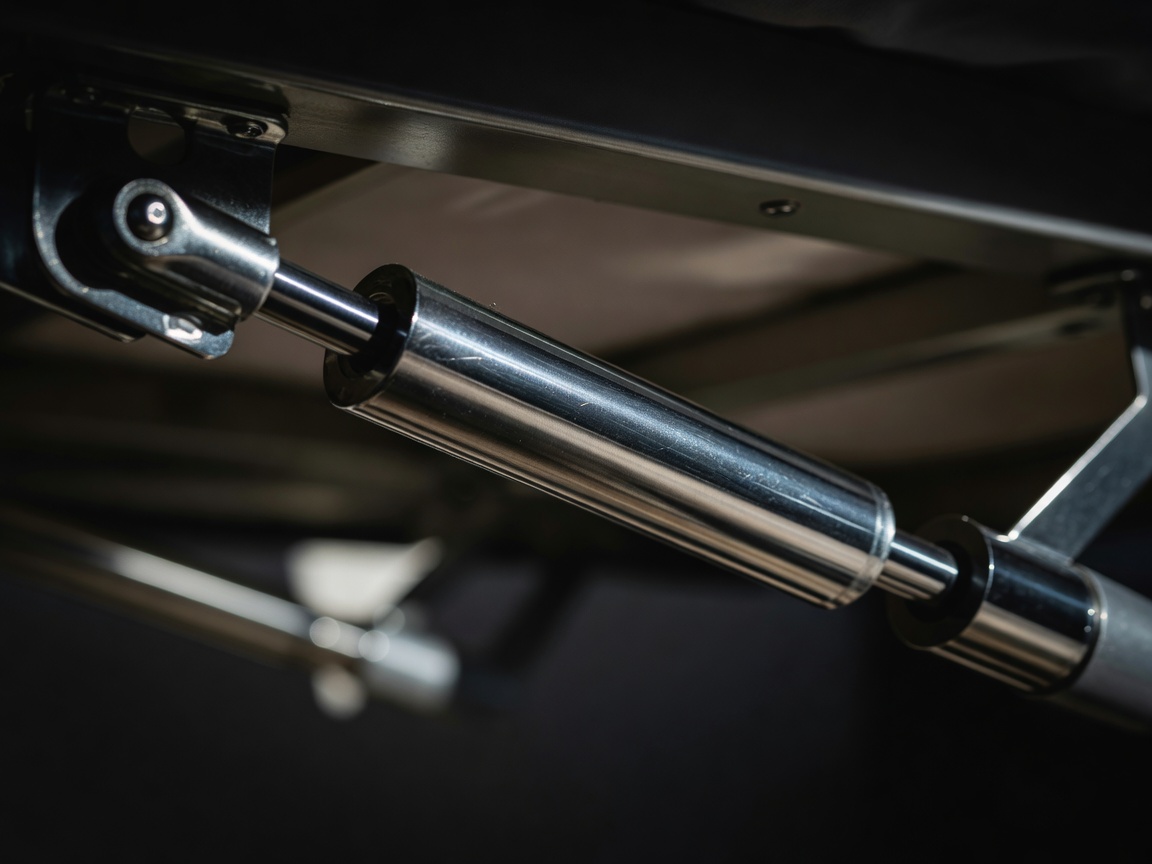
A high-contrast macro shot of a metallic hydraulic strut used in a foldable bed.

The Myth of the Broken Hinge

The cheap, flimsy folding chairs of the mid-20th century damaged the reputation of collapsible decor. Today, high-end pieces utilize self-lubricating brass and nylon bushings. In independent laboratory testing, premium wall-bed pivot systems endure over 25,000 cycles—equating to nearly 70 years of daily use—without measurable degradation in fluid resistance.

Conversely, traditional glued dowel joints inevitably dry, crack, and loosen as the wood ages and shifts.

The Kinetics of Impact Distribution

Rigid furniture absorbs impacts bluntly. If someone drops a heavy weight onto a standard rigid table, the force travels directly into the rigid joints, often causing catastrophic splitting. Modular furniture, by design, incorporates flex and kinetic energy transfer. Cantilevered folding legs disperse downward force through dynamic tension, effectively absorbing shock that would shatter solid hardwood.

Maintenance and Serviceability

When a traditional sofa's internal frame cracks, the item is largely bound for a landfill; the cost of specialized repair exceeds the item's worth. High-tier foldable items are highly modular in their repair profiles. A faulty gas piston can be unscrewed and replaced in ninety seconds, preserving the core structure indefinitely.